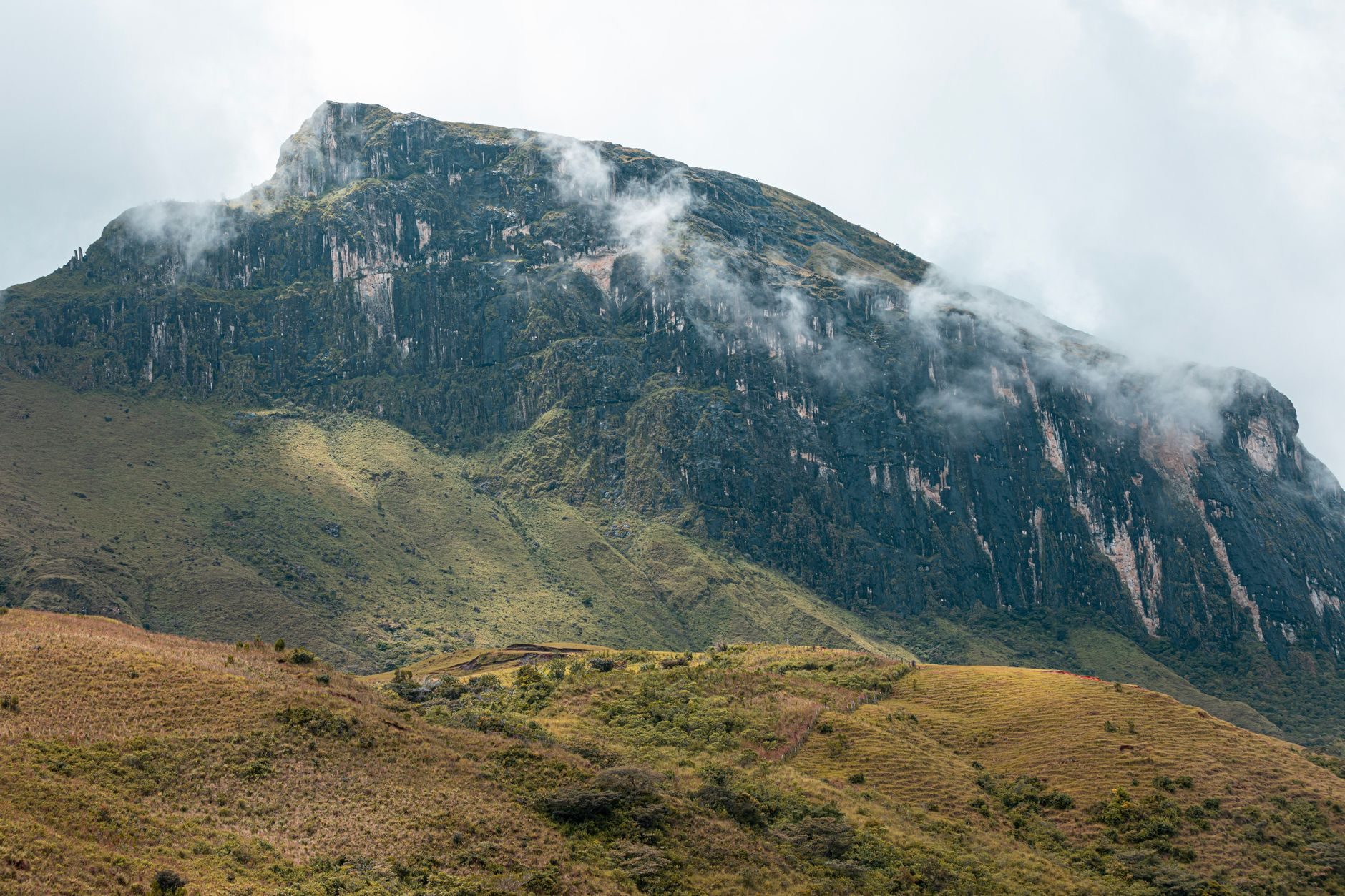
Mountains of Chiriquí, Panama
Bulk & inoculated biochar

Biochar made in Panama, for soils worldwide.

Biochar is a stable, plant-based carbon you mix into soil to keep water and nutrients at the root for decades. We produce it in Panama from crop residues, sold in bulk or inoculated with mycorrhizae and Trichoderma, for growers, nurseries and distributors worldwide.

Biochar produced by Biochar Company
What is biochar?

Carbon that stays in the soil and works for you.

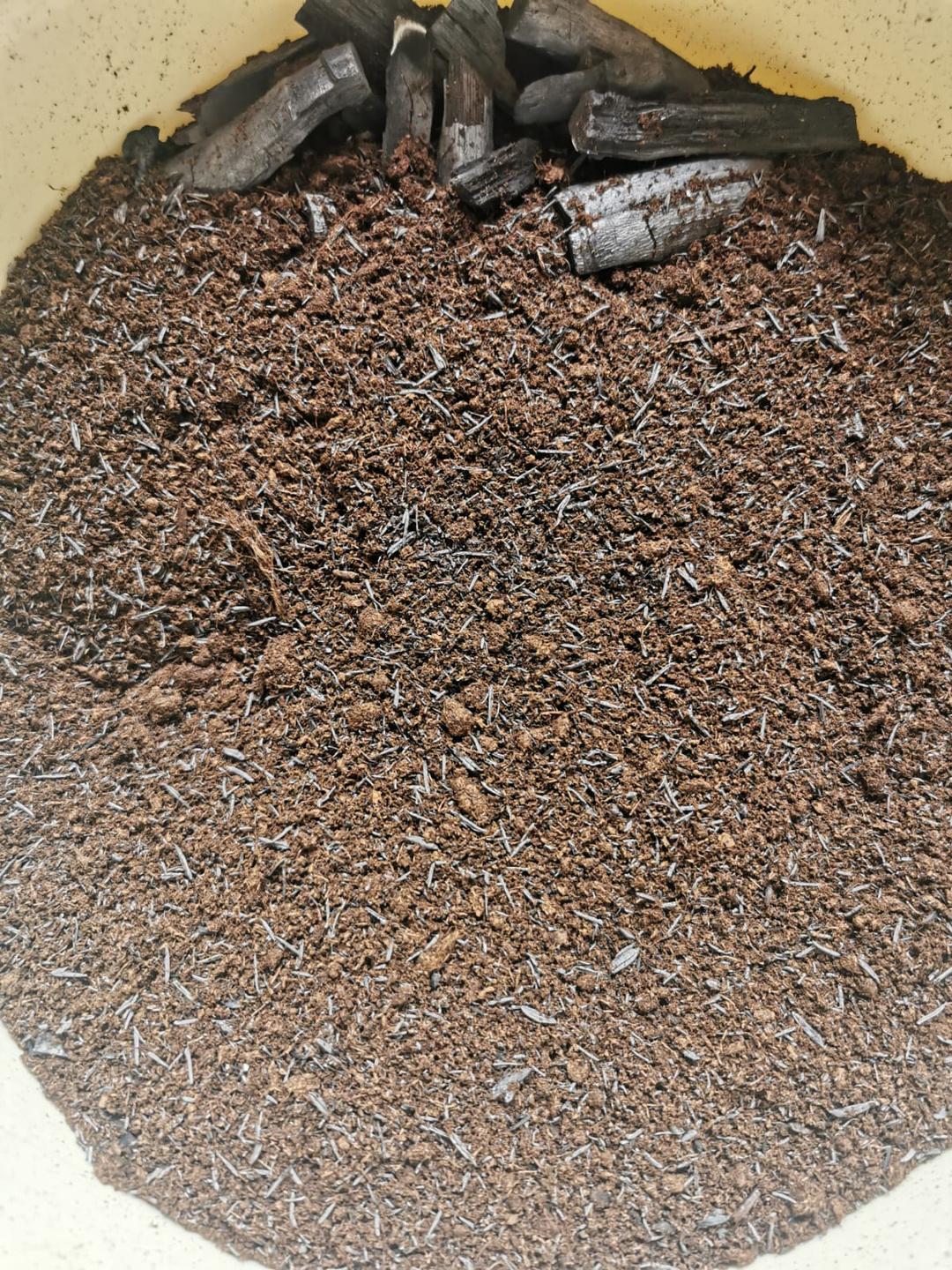
It's stable carbon made from plant residues: coffee husks, bagasse, prunings. It's produced with heat and no oxygen (pyrolysis). Every grain is full of tiny pores.

  • Holds water — the pores store rain and irrigation for dry days.
  • Holds nutrients — fertilizer stays at the root instead of washing away.
  • Hosts life — beneficial fungi and bacteria colonize the pores.
  • Raises pH — helps correct acidic soils, common in the tropics.
  • Lasts for decades — one application, benefits for years.
Two products

Bulk to prepare. Inoculated to plant.

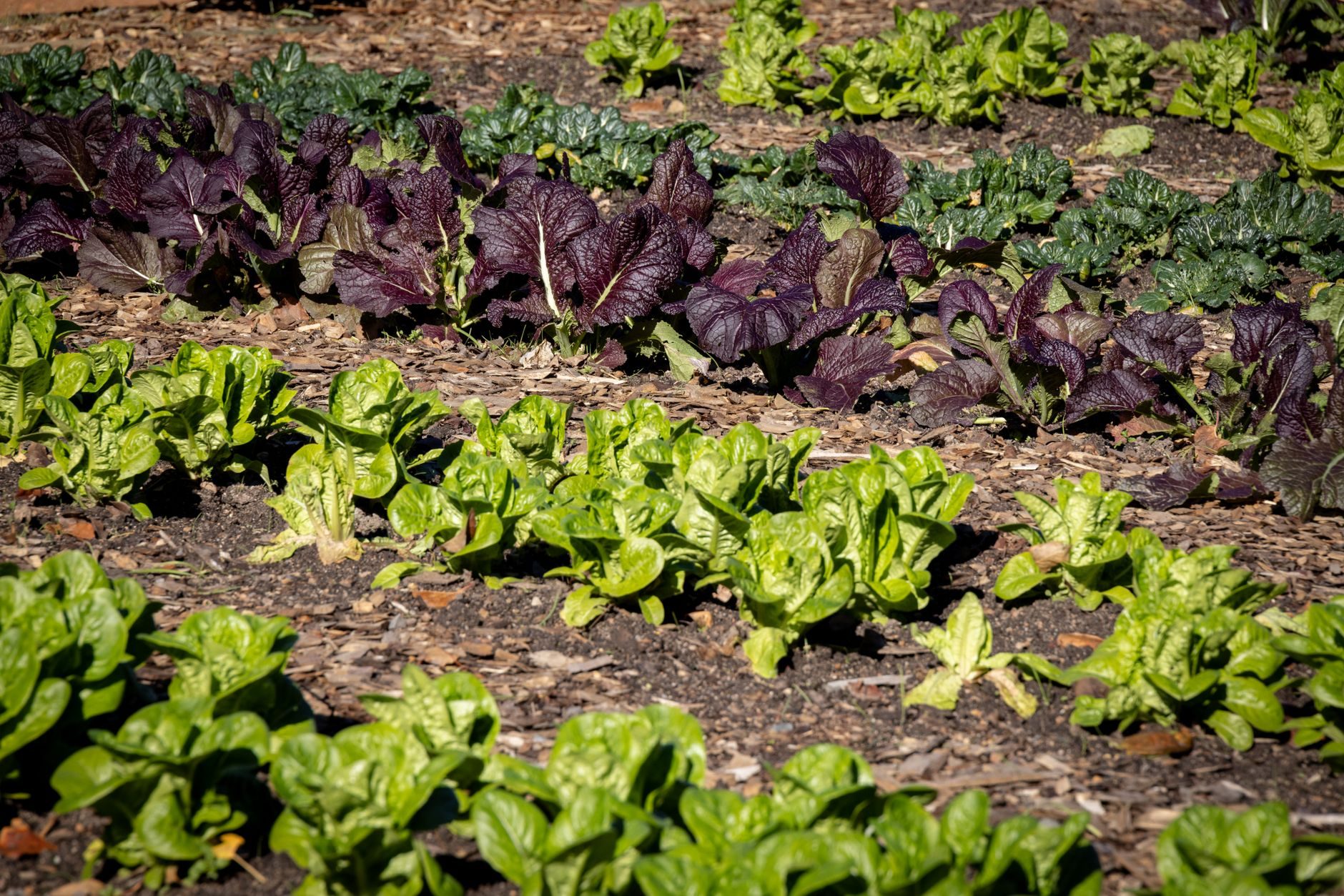
Rows of vegetables
Bulk biochar

To prepare soils, compost and bedding.

Pure, sieved carbon. Worked into the soil before planting, mixed into compost or used in animal bedding to control odor and moisture. Available in sacks and big bags.

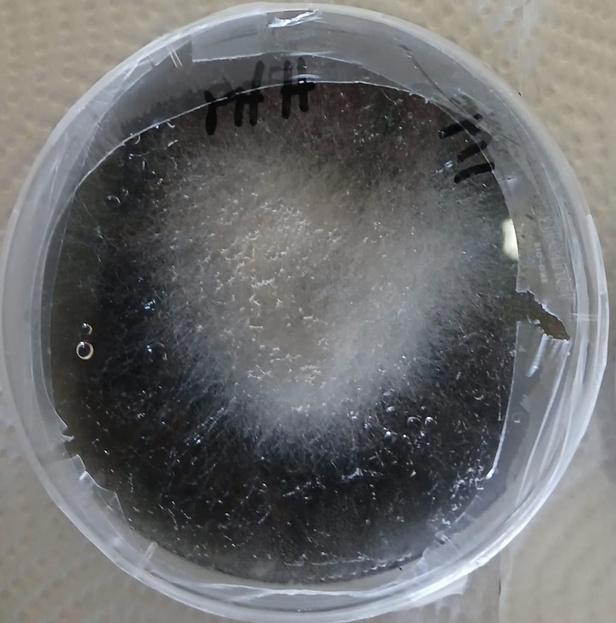
Fungal mycelium growing on biochar in the Biochar Company lab
Inoculated biochar · our first development

Loaded with fungi and bacteria. Ready for the root.

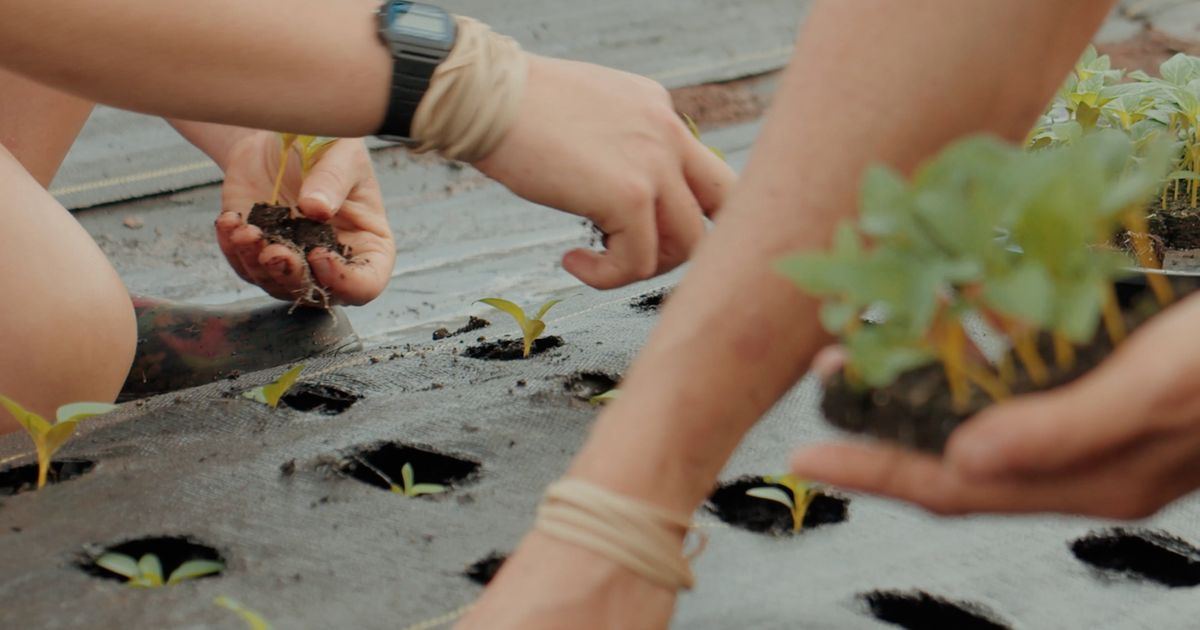
The carbon comes already colonized with beneficial fungi (mycorrhizae, Trichoderma and other rhizosphere fungi). It improves phosphorus, nitrogen and potassium uptake and acts against root pathogens: less chemical fungicide. Place it straight in the planting or transplant hole.

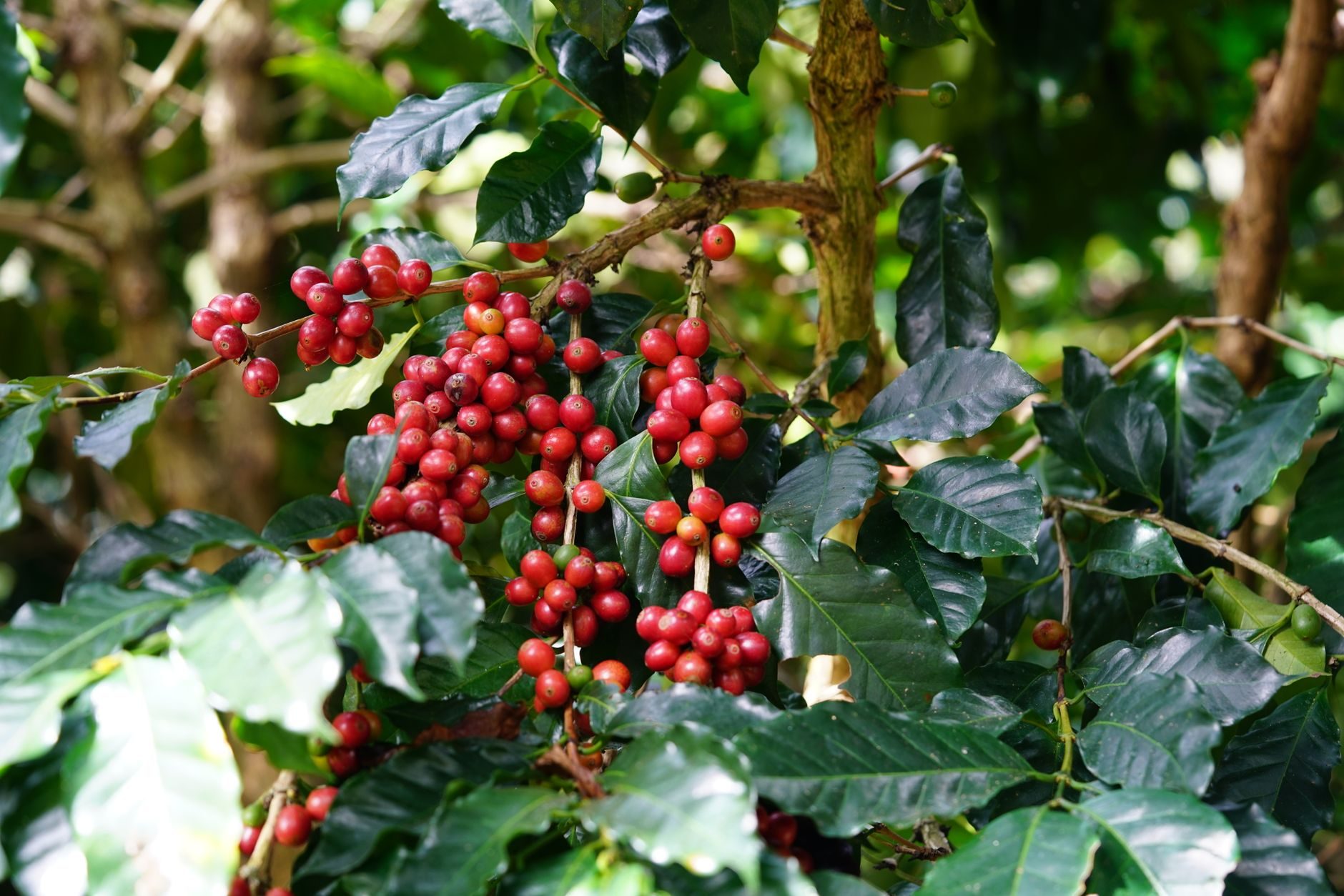
Coffee cherries on the plant
For which crop

Coffee, vegetables, fruit trees, pasture and nurseries.

It works best where the soil is acidic, leached or tired: exactly the soils of the highlands and the humid tropics.

☕ Coffee 🥬 Vegetables 🍊 Fruit trees 🌾 Pasture 🌱 Nurseries 🐄 Animal bedding
What the trials say

Results measured in the field.

+25 %average yield increase in tropical soils.Jeffery et al. 2017 · meta-analysis of hundreds of studies
+40 %more water retention in the soil.Biochar Company · trials
−11 %nitrogen lost to leaching.Meta-analysis cited by Pacific Biochar
+30 %more root biomass in field trials.Pacific Biochar
How to apply it

Biochar dos and don'ts.

Four rules so it pays off from the first harvest.

Do

  • Always work it in. Mixed into the soil, never just on the surface: that way it reaches the root and isn't carried off by wind or rain.
  • Apply it with fertilizer or biol. Biochar holds whatever you add; on its own, it takes longer to charge.
  • Respect the dose. 2 to 7 g of biochar per kg of dry soil depending on soil type, worked in at 20 cm depth. We give you the dose for your crop.
  • Ask us. If you're unsure where or how much, message us before applying.

Don't

  • Don't leave it on the surface without working it in.
  • Don't handle it without gloves and a mask: the fine dust irritates; wear glasses if it's windy.
  • Don't store it damp: keep it in a dry, cool place.
  • Don't confuse it with cooking charcoal: biochar comes from agricultural residues and is made without oxygen.
  • Don't expect it to replace fertilizer: it boosts it, it doesn't substitute it.

One application. Benefits for decades.

Biochar + biol

Have a biodigester? Your biol goes further with biochar.

The biodigester's biofertilizer is rich but washes away fast. Loaded into biochar, it stays at the root. Sistema.bio recommends it for fruit trees in its video series.

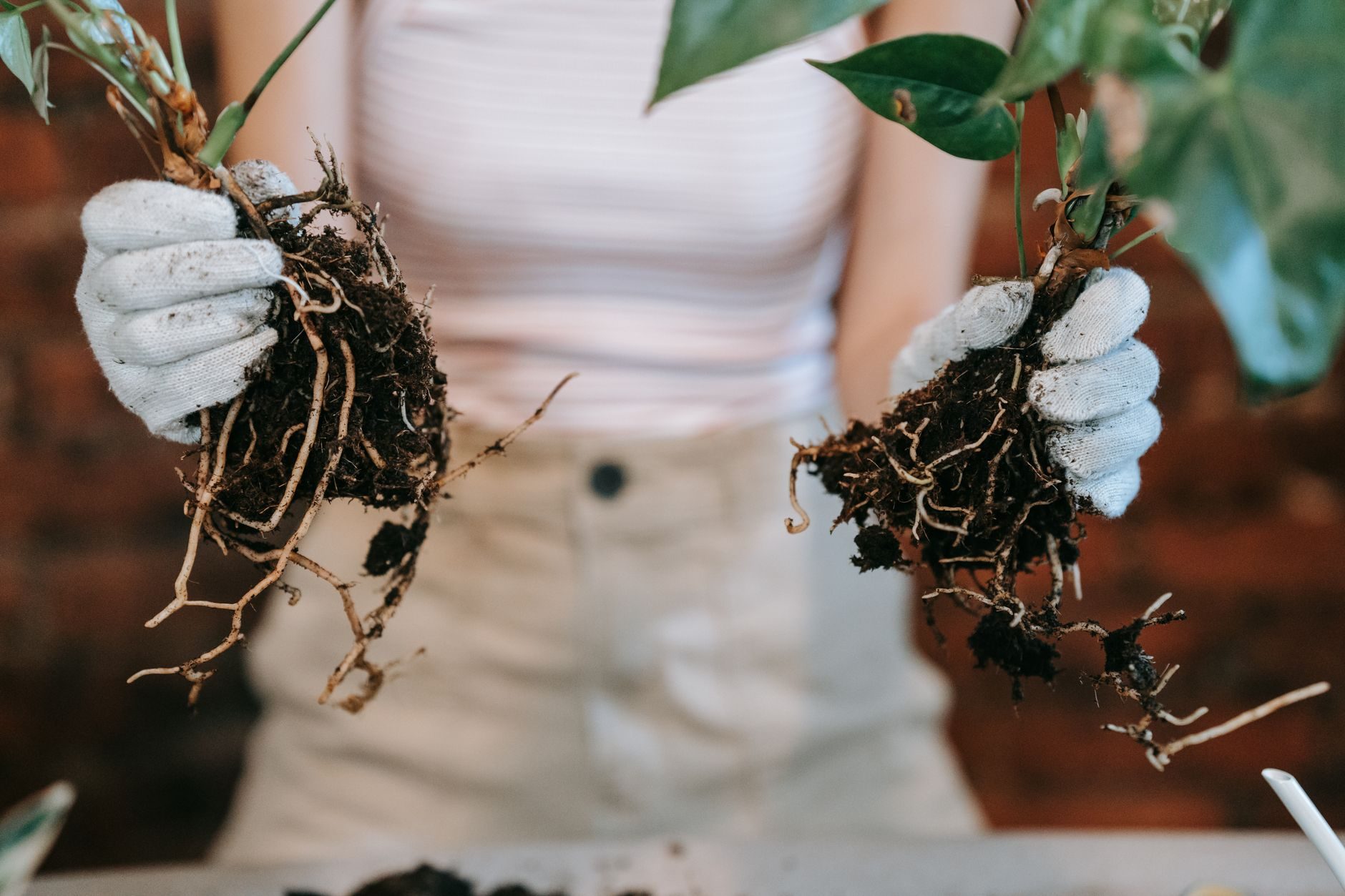
Roots with soil
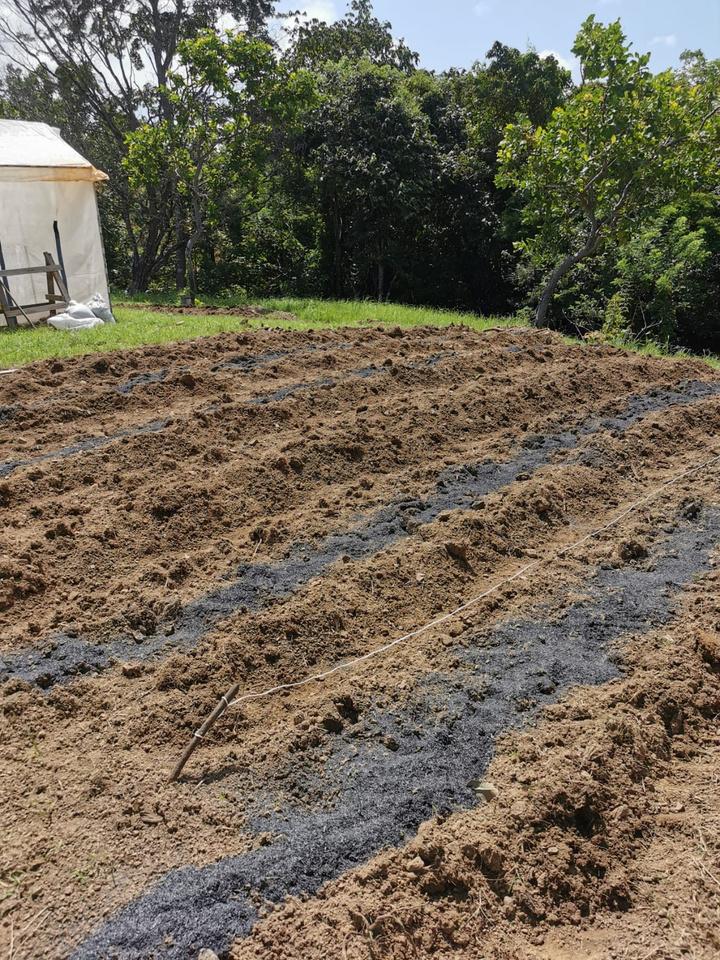
Field trial with biochar in furrows
What we offer

Not just the sack: we're with you in the field.

  • Soil analysis to define the biochar treatment.
  • Ready-to-use biochar, bulk or inoculated.
  • Technical training in application and handling.
  • Pilot trials tailored to your farm.
  • Collaboration on sustainable projects with cooperatives and institutions.

Project supported by SENACYT. First in-house development: fungus-inoculated biochar.

Frequently asked questions

About biochar

What is biochar?
Stable carbon made from plant residues by pyrolysis (heat without oxygen). In the soil it holds water and nutrients, hosts microorganisms and remains for decades.
How is biochar different from regular charcoal?
In how it is made and what it is for. Biochar comes from controlled pyrolysis of plant residues, made for soil: highly porous, stable for decades, and able to hold water, nutrients and microbes. BBQ charcoal is made to burn and is not suited to farming.
How much biochar should I apply per square meter?
As a guide, 2–7 g per kg of dry soil in the top 20 cm (8 in): about 0.5–1.7 kg/m², or 5–17 t/ha, blended with compost or digestate. The exact rate depends on your soil and crop; we confirm it with your order.
Bulk or inoculated?
Bulk to prepare soils, compost and bedding. Inoculated —already loaded with beneficial fungi and bacteria— to place straight at the root when planting or transplanting.
Where does the raw material come from?
From agricultural residues in the region: coffee husks, prunings and other crop leftovers. Produced in Panama, with partners in Boquete, Chiriquí.
When do I see results?
Water retention shows in the first cycle. Yields improve consistently from the first harvest and keep improving in the following ones, because the carbon doesn't degrade.
Do you ship biochar internationally?
Yes. We export to order from Panama to Latin America, Europe and beyond. Before quoting, we review your country's import and phytosanitary rules with you (especially for inoculated biochar, which contains live fungi) and agree on packaging, volume and freight.
Ask for a sample and try it on a plot.

Tell us what you grow and how many hectares. We tell you dose, format and price.

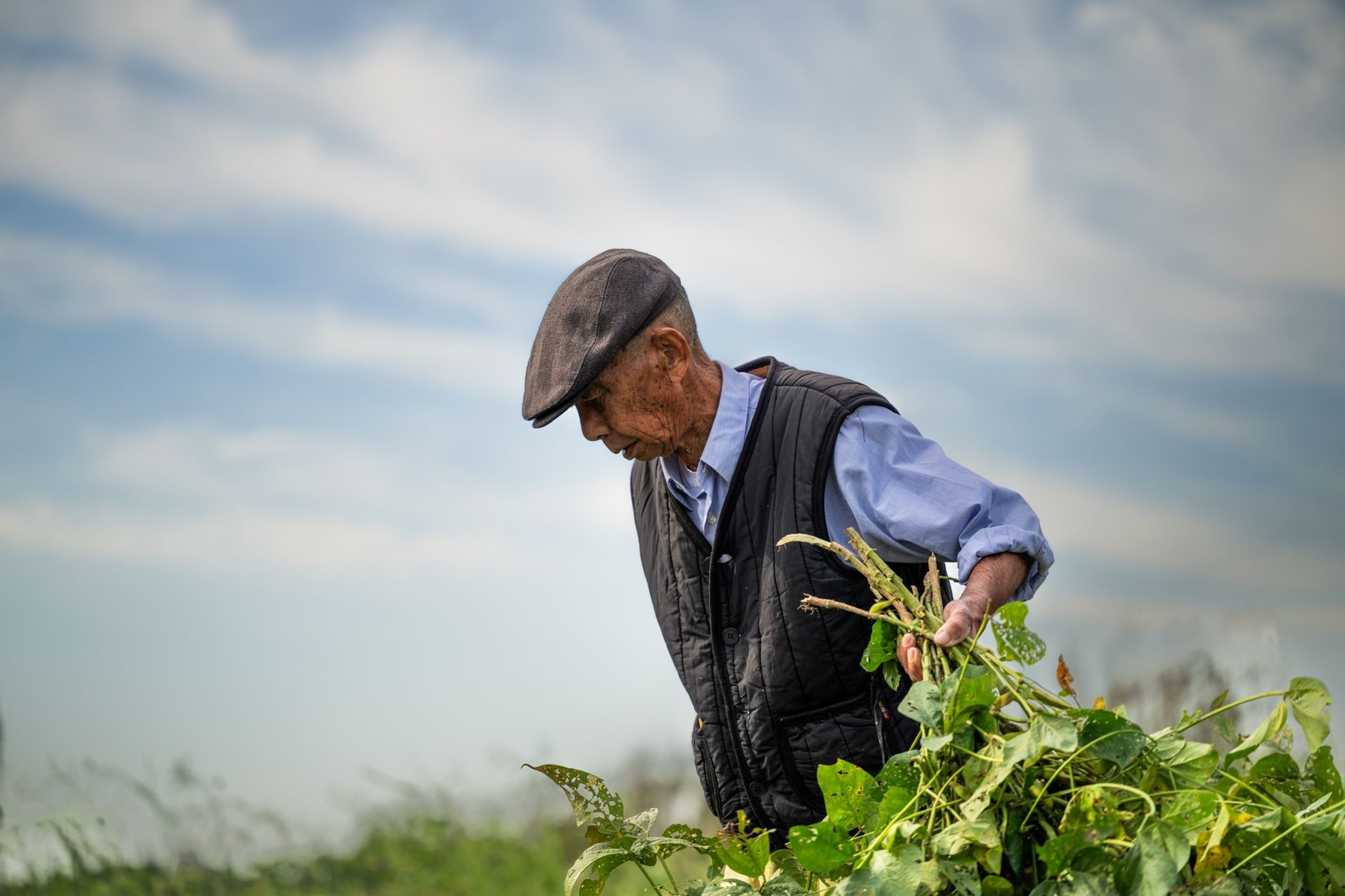
Farmer in his field